Cheat During The Test How to Avoid Getting Caught
Read the teacher, pick safer seats, time phone peeks, and use distractions without becoming the highlight fail.
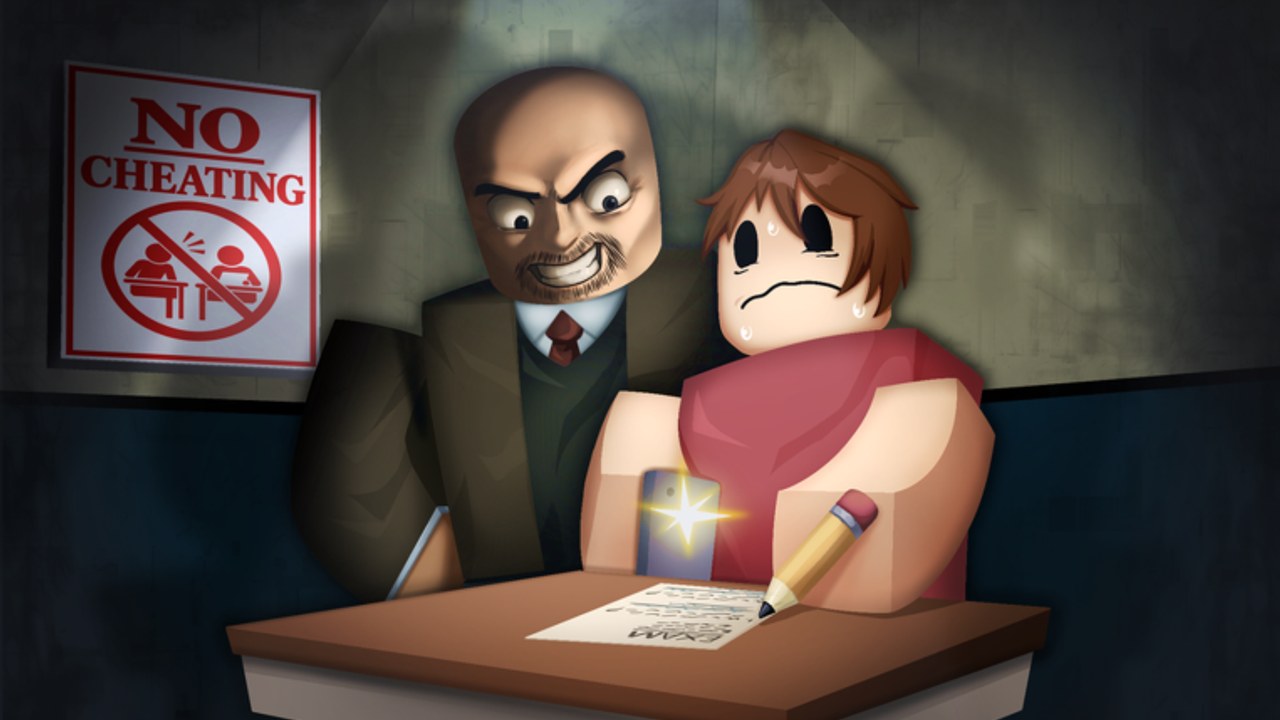
Most Gold Star droughts in Cheat During The Test are not “bad phones.” They are bad timing. Dream Up Studios built a teacher who exists to punish greedy peeks. This guide teaches gaze reading, timing windows, seating, and distraction discipline so you open the answer phone less often—but far more successfully.
If you still need HUD basics, skim Getting Started first. If you already live in Detention, pair this page with Detention for recovery habits.
Understand the fail condition
You get caught when phone use overlaps the teacher’s attention on you. Exact detection rules can shift with patches (Updates Hub), but player-facing tells are stable enough to train:
- Body facing and head orientation toward your row
- Sudden stops in patrol near your desk
- Class-wide stare moments after noise
- Recovery scans after a distraction ends
Your job is to treat the phone like a sniper peek: short, deliberate, closed before the swing lands.
Teacher gaze fundamentals
Watch a full patrol cycle before you commit to heavy Maths lookups. Count roughly how long the back stays turned and whether the teacher prefers left aisle, right aisle, or center. In busy 24-player rooms, audio and visual clutter make tells harder—slow your peek length, not your brain.
Gaze rules of thumb:
- No open phone on approach. If the teacher is walking toward your column, wait.
- Close on shoulder turn, not on full face. Early close beats late panic.
- Assume a second glance after noise. Distractions buy a window, then a sweep.
- Do not mirror neighbors blindly. Their seat may be safer than yours.
The embedded clip mid-article shows the fantasy of surviving close calls—study how long the phone stays up, not just the joke delivery.
Timing windows that actually work
Safe windows usually appear when:
- The teacher faces the board or opposite wall
- A distraction pulls focus to another desk
- A question needs only a half-second confirm (name, single number)
- You already typed or selected most of an answer and need a final check
Unsafe windows:
- Immediately after someone else gets yelled at (heightened alert)
- While you are mid-emote or chat
- During the last seconds of a timer when everyone panic-peeks together
- Right after you upgraded and feel invincible
Train a personal maximum peek length. If Maths needs longer, break the problem into two peeks with a close in between.
Seating and sightlines
Edge seats can be safer if patrols favor the center—or worse if the teacher hugs walls. Test both. Sit where you can see the teacher model without full camera spin. Avoid seats where furniture or other avatars constantly block your view of the threat; “I did not see them” is still Detention.
Social seating tip: sitting beside a distraction main can be great if they coordinate, terrible if they spam toys and keep the teacher spinning through your row. Communicate in chat when possible.
Distractions without self-sabotage
Paper planes and similar classroom toys exist to create attention sinks. Use them as scheduled cover, not background noise.
Good distraction play:
- Deploy when you need a multi-second Maths confirm
- Wait a beat for the teacher to commit, then open phone
- Close before the toy’s interest expires
Bad distraction play:
- Spamming until nobody can read patrol patterns
- Throwing while your phone is already open
- Griefing a silent climber mid-perfect run (Players Hub etiquette)
Rank distraction spend against phones on the Tier List Hub. Tools that do not create reliable windows are B-tier toys, not salvation.
Loadout support for stealth
Faster phones from Phone Upgrades shrink the time you are vulnerable. That is stealth gear, not a flex. Prioritize speed and clarity per the phones tier list. Cosmetics do not shorten detection boxes.
Avoid the trap of downloading teacher ESP scripts. They risk bans, break on patches, and teach you nothing transferable.
Drills for one lobby
- Play an entire easy paper with peeks under one second only.
- Next paper, allow one long peek behind a planned distraction.
- Change seats once and compare catch rate.
- Note which subject forces long peeks; upgrade to solve that bottleneck.
- End the session by attempting a near-perfect run using only proven windows (Perfect Score).
When you still get caught
Review the last five seconds honestly: Was the teacher already turning? Did you reopen too fast after a scare? Did a friend distract onto you? Adjust one variable—seat, peek length, or upgrade—not all three at once. Then leave Detention cleanly and re-enter the loop.
Cross-links
- Getting Started
- Detention
- Phone Upgrades
- Perfect Score
- Scripts Hub — why ESP shortcuts are a bad idea
Stay boring, stay short on the phone, and the teacher becomes a rhythm game instead of a jump scare.
Frequently Asked Questions
Quick answers about exams, phones, Detention, and Gold Stars.
What is the main reason players get caught?
Phone open while the teacher’s attention is on their seat—usually from peeks that run too long or start too late.
Do distractions guarantee safety?
No. They create temporary windows and often a follow-up scan. Time your peek inside the commit, then close early.
Should I change seats if I keep failing?
Yes. Sightlines differ. Test edges versus center and sit where you can track the teacher without losing the paper UI.
Will a better phone stop all catches?
It reduces vulnerable time but cannot save a peek started on a direct stare. Combine upgrades with gaze discipline.